


Exploring Different Types of Hearing Aids
- Raymond Hill
- 5 days ago
- 4 min read
Hearing well is a gift that enriches every moment of our lives. When hearing starts to fade, it can feel like the world is slowly dimming. Fortunately, modern hearing aids offer a bridge back to clarity and connection. As I’ve learned through experience and research, understanding the different types of hearing aids can empower you to make choices that truly suit your lifestyle and hearing needs. Let’s explore these options together, with warmth and encouragement, so you can find the right fit for your journey toward better hearing.
Understanding the Various Types of Hearing Aids
Hearing aids come in many shapes and sizes, each designed to meet different levels of hearing loss and personal preferences. Knowing the options available helps you feel confident and informed when discussing your needs with a hearing care professional.
Here are the main categories of hearing aids:
Behind-the-Ear (BTE): These devices rest comfortably behind the ear and connect to an earmould inside the ear canal. They are versatile and suitable for mild to profound hearing loss.
In-the-Ear (ITE): Custom-made to fit the outer ear, these aids are less visible than BTEs and are ideal for mild to severe hearing loss.
In-the-Canal (ITC) and Completely-in-Canal (CIC): These smaller devices fit partly or completely inside the ear canal, offering a discreet option for mild to moderate hearing loss.
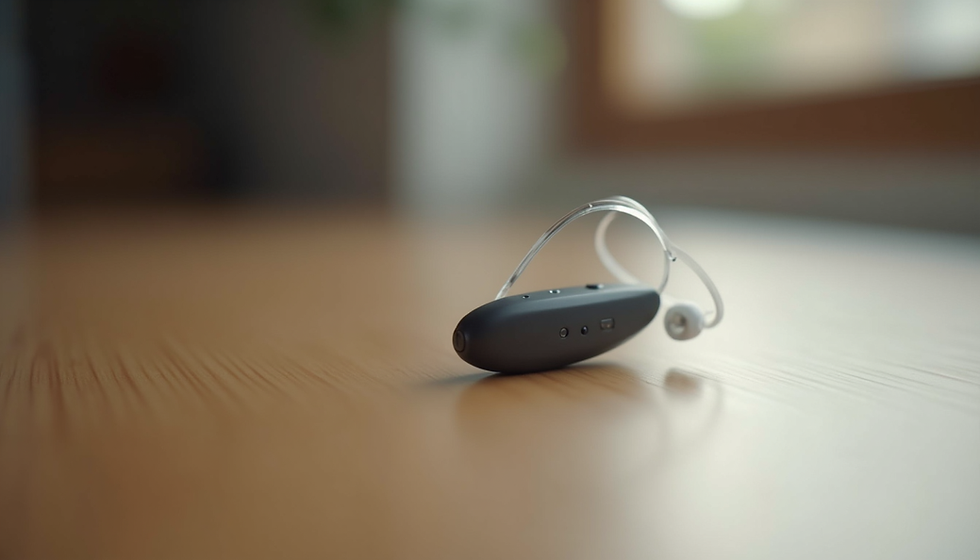
Receiver-in-Canal (RIC): Similar to BTEs but with the speaker placed inside the ear canal, RIC aids provide a natural sound experience and are often lightweight.
Each type has its own advantages and considerations, such as battery life, ease of handling, and sound quality. For example, BTEs are often easier to clean and maintain, while CICs offer a more discreet appearance but may require more careful handling.

When exploring hearing aid types, it’s important to think about your daily activities, comfort preferences, and the degree of hearing loss. This holistic approach ensures you find a device that feels like a natural extension of yourself.
What type of hearing aid will I get on NHS?
If you are considering hearing aids through the NHS, you might wonder what options are available to you. The NHS typically provides hearing aids that are suitable for your specific hearing loss and lifestyle, focusing on reliability and effectiveness.
Generally, the NHS offers:
Behind-the-Ear (BTE) hearing aids: These are the most common NHS-issued devices due to their adaptability and ease of use.
In-the-Ear (ITE) hearing aids: Occasionally provided for those who prefer a less visible option or have specific ear shapes.
The choice depends on your audiologist’s assessment and your personal preferences. The NHS aims to provide devices that balance quality and accessibility, ensuring you receive a hearing aid that supports your hearing health effectively.
It’s reassuring to know that NHS hearing aids come with ongoing support, including adjustments and repairs, so you’re never alone on your hearing journey.
Key Features to Consider When Choosing Hearing Aids
Selecting the right hearing aid involves more than just the style. Several features can significantly impact your experience and satisfaction:
Noise Reduction: Modern hearing aids can filter background noise, making conversations clearer in busy environments.
Connectivity: Many devices now offer Bluetooth compatibility, allowing you to connect to smartphones, TVs, and other devices.
Rechargeability: Rechargeable batteries provide convenience and reduce the need for frequent replacements.
Customisation: Some hearing aids can be fine-tuned to your unique hearing profile and preferences through apps or professional adjustments.
Durability and Water Resistance: If you lead an active lifestyle, consider devices that can withstand moisture and dust.
Understanding these features helps you communicate your needs clearly to your hearing care provider. For example, if you enjoy social gatherings, noise reduction and connectivity might be top priorities. If you prefer low maintenance, rechargeable options could be ideal.

Tips for Caring for Your Hearing Aids
Once you’ve chosen your hearing aids, caring for them properly ensures they perform well and last longer. Here are some practical tips I’ve found helpful:
Keep them dry: Moisture can damage hearing aids, so always remove them before showering or swimming.
Clean regularly: Use a soft, dry cloth to wipe your devices daily. Avoid using water or cleaning solvents.
Store safely: When not in use, keep your hearing aids in a protective case away from heat and direct sunlight.
Handle with care: Be gentle when inserting or removing your hearing aids to avoid damage.
Schedule regular check-ups: Visit your hearing care professional for routine maintenance and adjustments.
By following these steps, you can enjoy clear sound and comfort for years to come. Remember, your hearing aids are an investment in your quality of life, deserving of thoughtful care.
Embracing Your Hearing Journey with Confidence
Choosing and adapting to hearing aids is a personal journey, one that unfolds with patience and support. It’s natural to have questions and moments of adjustment, but with the right information and guidance, you can embrace this new chapter with confidence.
Remember, hearing aids are not just devices - they are companions that reconnect you to the sounds and conversations that matter most. Whether you prefer the discreet charm of an in-the-canal aid or the robust versatility of a behind-the-ear model, there is a solution tailored for you.
At Comforts Hearing, the goal is to walk alongside you every step of the way, offering personalised care and accessible solutions. Together, we can help you rediscover the joy of hearing with clarity and comfort.
I encourage you to explore your options, ask questions, and take the time you need to find the perfect hearing aid. Your journey to better hearing is a path worth taking, and you don’t have to walk it alone.


Comments